
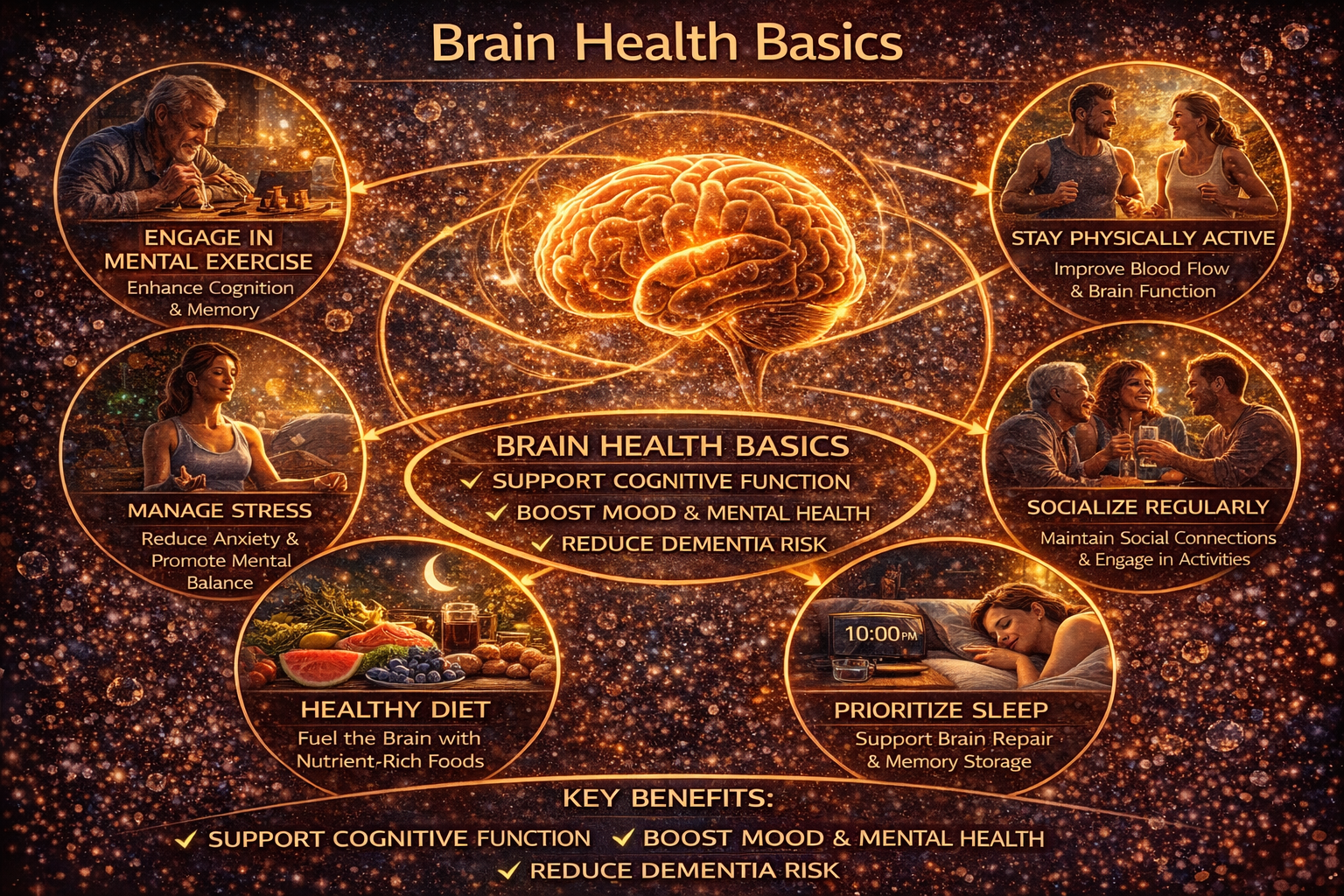
The human brain is one of the most complex organs in the body. It controls thoughts, memory, emotions, and every movement we make. While many people focus on physical fitness, maintaining brain health is just as important for overall well-being. Fortunately, everyday habits can support cognitive function and help the brain stay active over time.
One of the most important factors for brain health is sleep. During sleep, the brain performs critical maintenance processes. It organizes memories, clears metabolic waste, and restores energy levels for the next day. Adults generally benefit from consistent sleep routines that allow the body to rest and recover. Establishing a regular bedtime and reducing screen exposure before sleep can support better sleep quality.
Nutrition also plays a major role in cognitive wellness. The brain requires a constant supply of nutrients to function properly. A balanced diet that includes fruits, vegetables, whole grains, healthy fats, and protein provides the body with vitamins and minerals that support normal brain activity. Foods rich in omega-3 fatty acids, antioxidants, and essential nutrients are commonly associated with general brain wellness as part of a healthy lifestyle.
Hydration is another simple yet often overlooked factor. The brain is made up of a large percentage of water, and even mild dehydration may affect concentration and mental performance. Drinking enough water throughout the day helps maintain proper circulation and supports normal body functions, including those related to cognitive processes.
Mental stimulation is equally valuable. The brain thrives on challenge and learning. Activities such as reading, learning new skills, solving puzzles, or engaging in thoughtful conversations can encourage the brain to remain active. Lifelong learning stimulates neural connections and keeps the mind engaged.
Physical activity contributes to brain health as well. Exercise improves blood circulation, which helps deliver oxygen and nutrients throughout the body, including the brain. Regular movement such as walking, stretching, cycling, or other moderate activities can support both physical and mental well-being.
Stress management is another key aspect of maintaining cognitive health. Long-term stress can affect concentration, sleep patterns, and emotional balance. Techniques such as mindfulness, breathing exercises, and taking time for relaxation can help maintain a healthier mental state.
Taking care of the brain does not require extreme measures or complicated routines. Consistent daily habits—adequate sleep, balanced nutrition, hydration, physical activity, and mental engagement—form the foundation of long-term cognitive wellness. By focusing on these simple practices, individuals can support both their mental clarity and overall quality of life.