
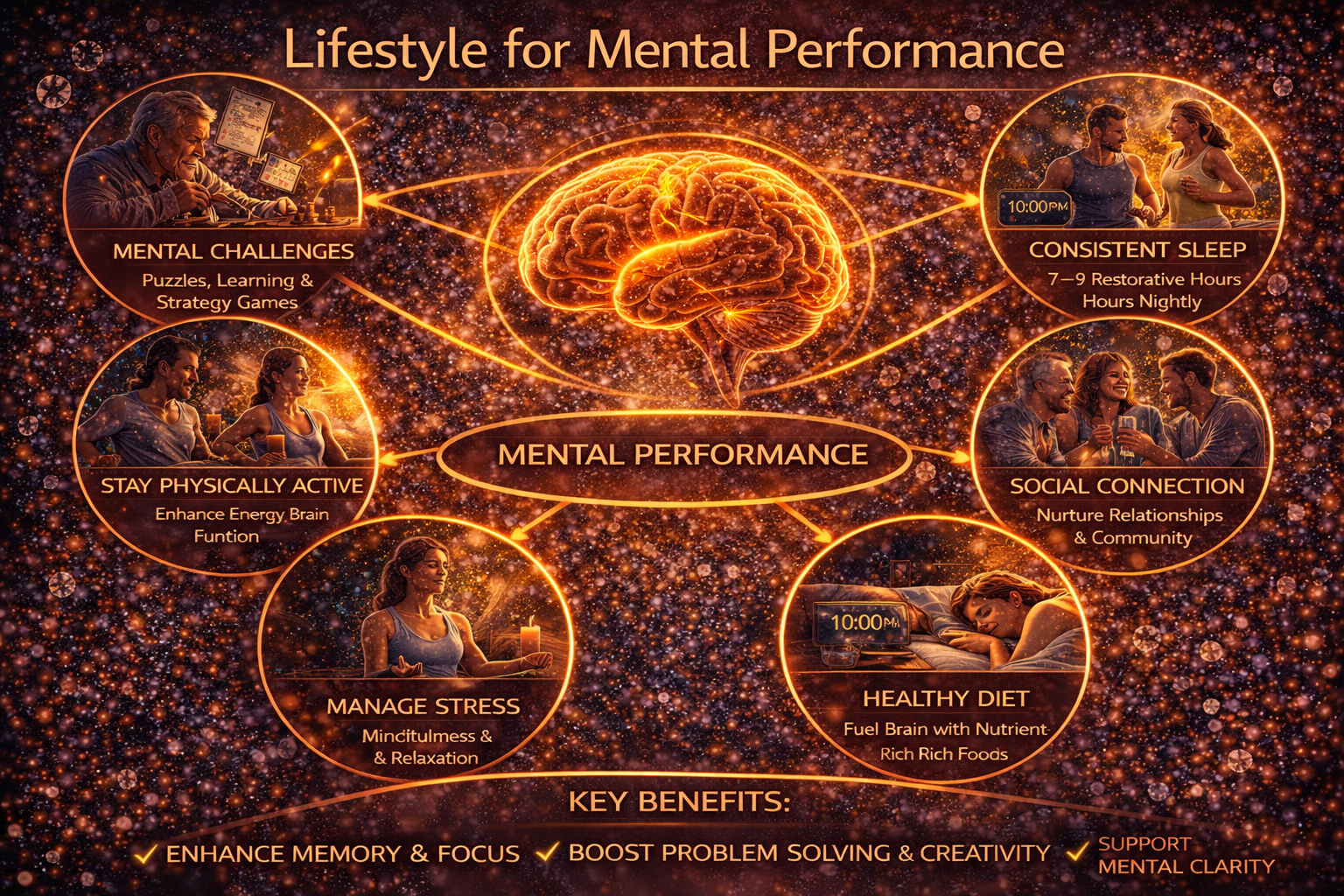
Mental performance is closely connected to daily lifestyle choices. Factors such as physical activity, stress management, sleep habits, and nutrition all play a role in how well the brain functions during everyday tasks. Understanding these connections can help individuals build routines that support focus and productivity.
Physical activity is one of the most widely recognized contributors to mental well-being. Movement increases blood flow throughout the body, delivering oxygen and nutrients that support brain activity. Regular exercise has been associated with improved mood, increased energy levels, and enhanced concentration. Even moderate activities such as walking or stretching can contribute to overall wellness.
Sleep also has a powerful effect on cognitive performance. During sleep, the brain processes information gathered throughout the day and prepares for future learning. Poor sleep can affect attention, memory, and emotional balance. Maintaining consistent sleep patterns and creating a relaxing evening routine can help support restorative rest.
Nutrition provides the energy the brain needs to function. A balanced diet supports steady energy levels and helps the body maintain normal physiological processes. Meals that include a variety of nutrients, such as vegetables, whole grains, proteins, and healthy fats, contribute to overall health and may support sustained mental focus throughout the day.
Stress is another factor that can influence cognitive performance. Short-term stress can sometimes increase alertness, but prolonged stress may interfere with concentration and mental clarity. Techniques such as mindfulness practices, breathing exercises, and spending time in relaxing environments can help manage daily stress levels.
Environment and daily routines also influence mental productivity. Organized workspaces, regular breaks, and structured schedules can help maintain attention and reduce mental fatigue. Simple habits like stepping away from screens, taking short walks, or practicing brief stretching exercises can refresh the mind during long work periods.
Social engagement and positive relationships contribute to emotional well-being, which in turn supports cognitive performance. Meaningful conversations and collaborative activities stimulate thinking and encourage new perspectives.
Mental performance is not determined by a single factor but by a combination of lifestyle choices. By paying attention to sleep, nutrition, physical activity, stress management, and daily routines, individuals can create a balanced environment that supports both mental energy and long-term cognitive wellness.